
Gum recession is another dental concern that will affect how good your smile looks and how healthy your teeth are. It occurs when the gum tissue that supports the teeth recedes or wears away, leaving a portion of the tooth root exposed. When a recession occurs, it can become sensitive and painful, and is also at greater risk of cavities and infection.
Table of contents
Estimated reading time: 3 minutes
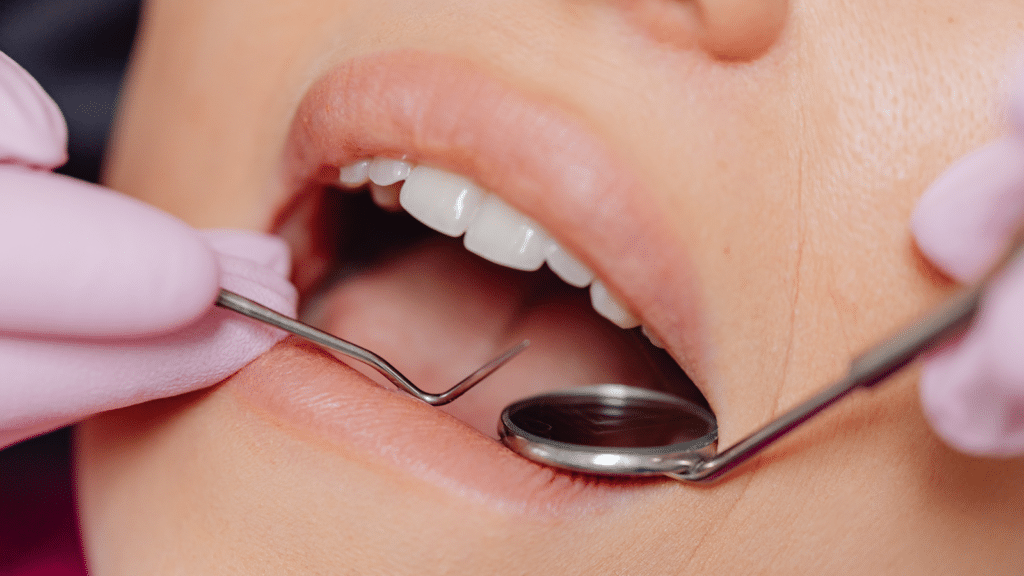
Gum recession can result from several risk factors. These include:
- Genetics
- Gum disease
- Movement of teeth via orthodontics
- Poor oral hygiene
- Tobacco use
- Aggressive brushing
At Southern Colorado Periodontics and Implants, we help patients understand gum recession and the treatment options that can protect their smile.
Resource: my.clevelandclinic.org
Here are five ways to help prevent gum recession and protect your smile:
Brushing Technique
Brush and floss consistently, but not too aggressively. Use a soft-bristled toothbrush, as it cleans teeth effectively and is gentle on the gums. Frequent brushing is important and should be done at least twice per day to protect your teeth and gums, but you may be damaging your gum tissue by brushing too hard. Brushing too hard, especially with a medium or hard-bristle toothbrush, can cause the gum tissue to recede. Additionally, aggressive brushing can actually wear away the white enamel near the gum line and create a notch in the tooth. A good tip for brushing is to use small circular motions rather than scrubbing back and forth. If you tend to brush aggressively, an electric toothbrush with a pressure sensor may be a good option.
Resource: ada.org
Quit Smoking and Stop Using Tobacco
One of the top risk factors for developing gum disease, which causes gum recession, is smoking and tobacco use. Tobacco use will decrease the body’s ability to fight off disease and infections, and also slow the healing process in the mouth. This means that gum tissue has a hard time recovering from inflammation and irritation caused by infection and periodontal treatment. You can improve your oral health and decrease your risk for future gum disease and other oral health conditions by quitting smoking.
Keep Up With Dental Visits
Regular dental visits can help prevent and manage gum recession. Your dentist can monitor your gumline, check for signs of gum disease, and remove plaque or tartar that is difficult to clean at home. When gum disease is found early, the required treatment usually costs much less and is less invasive.
Consider Gum Graft Surgery
Many cases of gum recession require treatment from a periodontist. A periodontist may recommend a gum grafting surgery for patients whose tooth roots are exposed or whose gums have receded in a way that could affect their oral health. During gum grafting surgery, a piece of gum tissue is harvested from the roof of the mouth and transferred to the teeth that have recession.
Final Thoughts
If you have tooth sensitivity, bleeding gums, visible tooth roots, changes in how your teeth line up, or a change in the gumline, you may be wondering whether it is time to see a dentist or periodontist. Contact Southern Colorado Periodontics and Implants to schedule an appointment to help treat gum recession and protect the long-term health of your smile.